How to Choose the Right College or University in SA
A guide for students on picking a school that fits their budget, career goals, and learning style – with pros and cons of public vs private institutions. 🏘️📈
Read More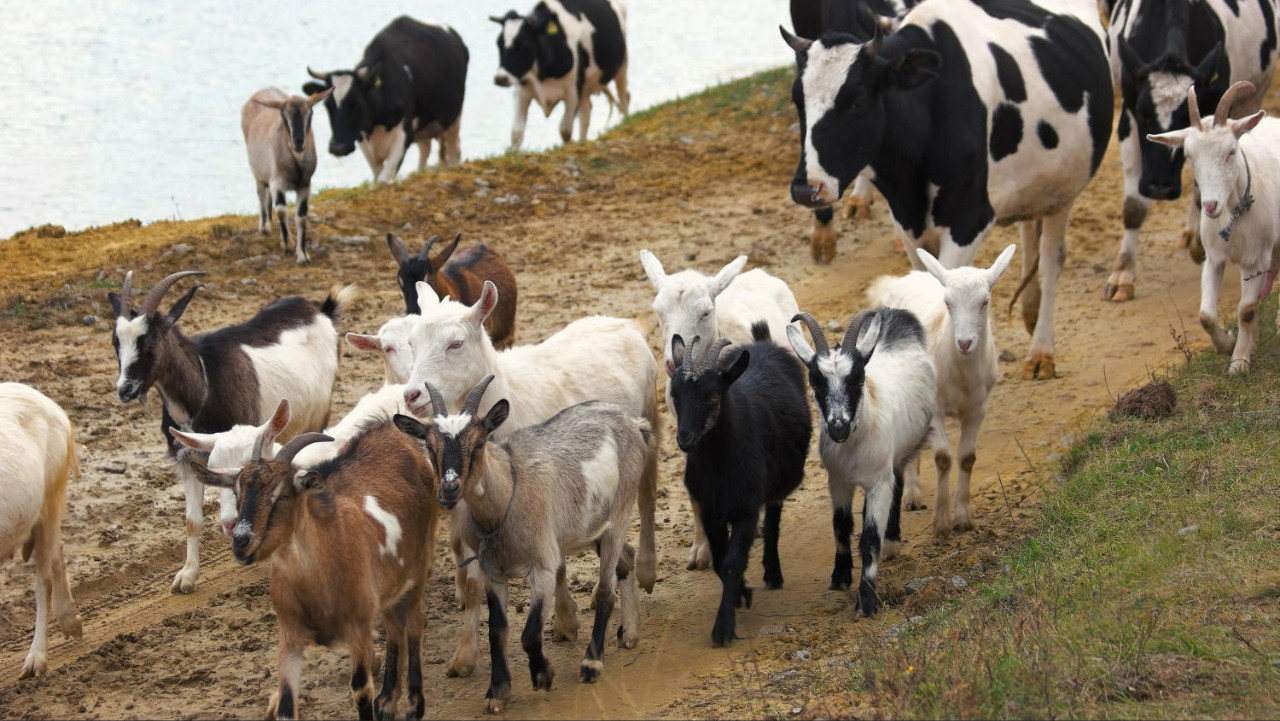
In our modern economy, wealth is often synonymous with money in a bank account, stocks, or digital currencies. But is this the only, or even the most resilient, form of wealth? Throughout history, societies have valued tangible assets that provide direct utility and endure economic shifts. This raises a crucial question: What truly constitutes "real wealth" in today's unpredictable world? 🌍
This comprehensive guide will delve into the concept of wealth by comparing three fundamental forms: traditional money (and financial assets), land, and livestock. We'll explore the unique advantages and disadvantages of each, examining how they perform as stores of value, sources of income, and hedges against inflation. By understanding these distinctions, you can gain a clearer perspective on building a diversified and resilient foundation for your prosperity. Let's explore the true meaning of riches! 📈🌱🐄
Money, in its various forms (cash, bank deposits, stocks, bonds, mutual funds), is the most common representation of wealth today. It offers unparalleled liquidity but comes with its own set of vulnerabilities.
Key Takeaway: Money offers flexibility and growth potential in stable times, but its value is tied to economic confidence and can be vulnerable to inflation and market crashes. It's a tool for exchange and growth, but not always a stable store of long-term value. 📉
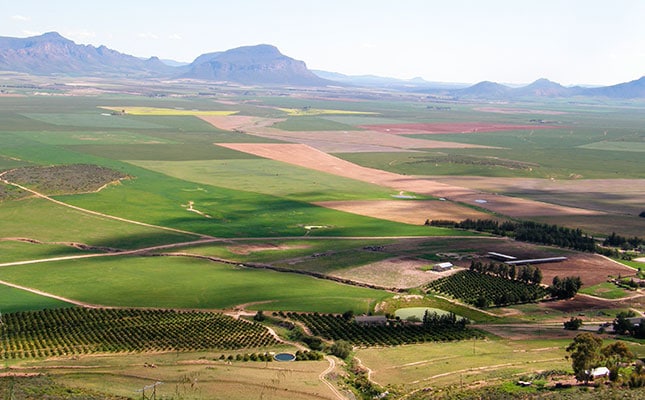
Land has been a fundamental source of wealth for millennia. Its tangibility and finite nature give it an inherent value that often appreciates over time, providing stability and diverse utility.
Arable land can produce food, timber, or other agricultural products, providing direct sustenance or income. This is a fundamental need that always has demand, making it a powerful hedge against food shortages. 🍎🌳
How it Pays Off: Provides direct income from harvests or grazing fees, and offers a tangible source of food and resources.
Land in or near growing areas can increase significantly in value due to urban expansion, infrastructure development, or demand for housing and commercial spaces. 🏗️
How it Pays Off: Potential for substantial capital gains over the long term, especially in strategic locations.
Land can be leased for various purposes, such as farming, hunting, mineral extraction, or even renewable energy projects (solar/wind farms), generating consistent passive income. 💰
How it Pays Off: Provides steady cash flow, making it an income-generating asset.
Historically, land has proven to be an excellent hedge against inflation. As the cost of living rises, so too does the value of real assets, preserving purchasing power. 🛡️
How it Pays Off: Protects wealth from currency devaluation and economic instability.
Key Takeaway: Land offers stability, tangible utility, and long-term appreciation potential. It's less liquid than money but provides a robust hedge against inflation and economic uncertainty. 🌳
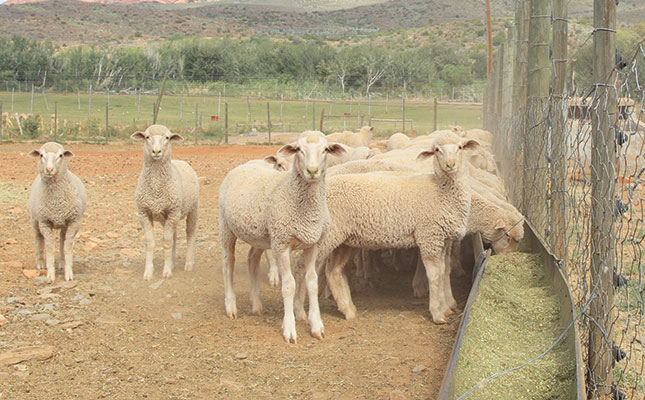
Livestock represents a unique and dynamic form of wealth. Unlike inanimate objects, animals are living assets that can reproduce, grow, and provide multiple products, offering both immediate returns and compounding value.
Animals provide essential food (meat, milk, eggs) and valuable by-products (wool, leather). This offers a direct supply of sustenance and a consistent market for sales, directly addressing fundamental human needs. 🥛🥚🥩
How it Pays Off: Regular income from sales of products, providing consistent cash flow.
Livestock naturally multiplies, increasing the size of your herd and thus your overall asset value over time. Young animals grow into more valuable mature stock, creating a built-in compounding effect. 📈
How it Pays Off: Self-replicating asset that grows your wealth organically without continuous new capital injection.
In times of economic uncertainty or food shortages, livestock serves as a highly resilient asset. They represent real, consumable wealth that retains value even when currencies falter. 🛡️
How it Pays Off: Provides a robust store of value and a degree of self-sufficiency during economic downturns.
Some livestock can provide labor (e.g., draft animals), and their manure acts as natural fertilizer, enriching the land and reducing farming costs. 🚜
How it Pays Off: Reduces operational costs and contributes to sustainable agricultural practices.
Key Takeaway: Livestock offers dynamic growth through reproduction, provides essential products, and acts as a strong hedge against inflation and food insecurity. It requires active management but yields multifaceted returns. 🧑🌾
Ultimately, "real wealth" is not a single asset but a combination of resources that provide security, income, and the ability to thrive regardless of external economic conditions. While money offers liquidity and convenience, its value is abstract and susceptible to inflation. Land and livestock, on the other hand, represent tangible, productive assets that have provided sustenance and security for civilizations throughout history. They offer a direct connection to real value, a hedge against economic volatility, and the potential for self-sufficiency.
A truly wealthy individual or family often holds a diversified portfolio that includes a balance of financial assets for liquidity and growth, alongside tangible assets like land and livestock for stability, long-term appreciation, and fundamental security. Understanding the unique strengths of each allows for a more robust and resilient approach to building enduring prosperity in today's complex world. 💰🌾🐄

Your Thoughts? Join the Conversation!